
February 18, 2026
Tankless vs. Traditional Water Heaters: Which Is Right for Your Home?
Hot water is one of those things most homeowners don’t think about—until it’s gone. Whether you’re planning an upgrade or noticing signs your current system is struggling, understanding the difference between tankless and traditional water heaters can help you make a smarter, more cost-effective decision.
Each option has its advantages, and the right choice often depends on your home’s size, usage habits, and long-term efficiency goals.
How Traditional Water Heaters Work
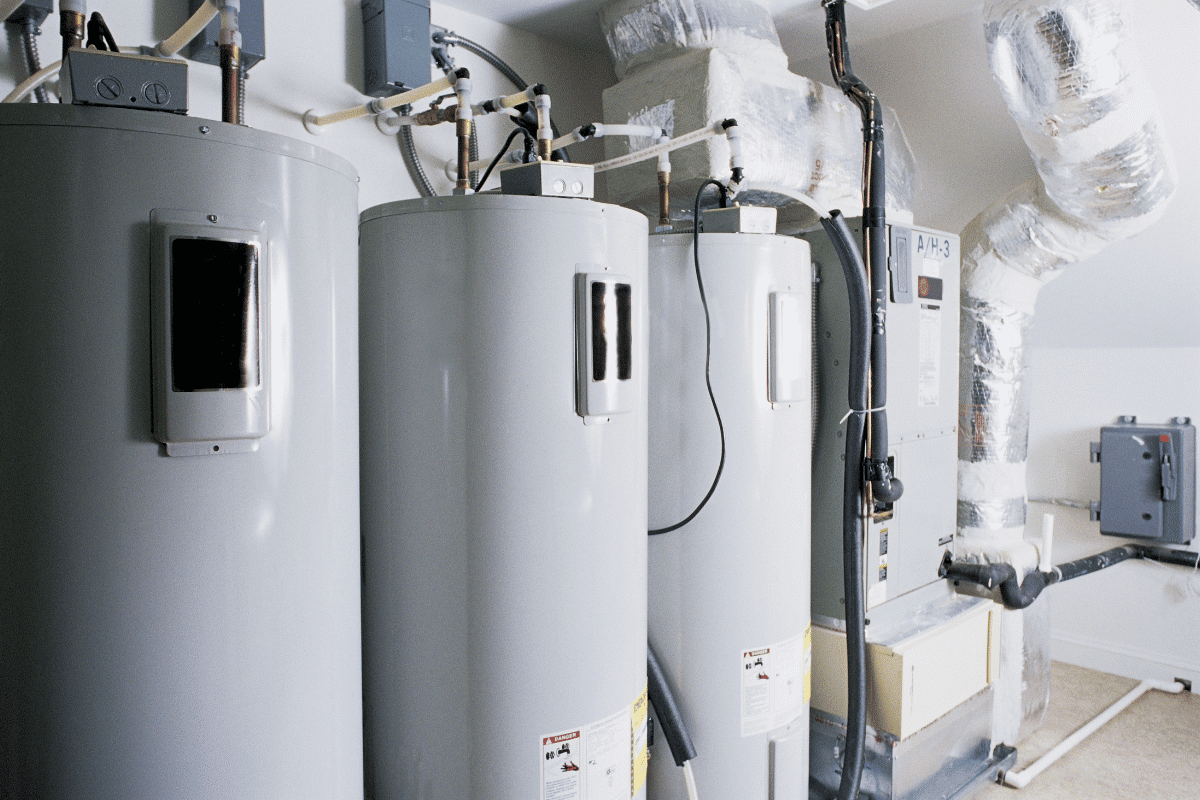
Traditional water heaters store a set amount of hot water in a tank, typically 40–80 gallons. The system heats the water and keeps it ready for use throughout the day.
Benefits of Traditional Water Heaters
-
Lower upfront installation cost
-
Simple, proven technology
-
Works well for predictable, moderate water use
Limitations to Consider
-
Hot water supply can run out during high demand
-
Energy is used continuously to keep stored water hot
-
Larger physical footprint
In homes with growing families or back-to-back hot water needs, tank systems can sometimes struggle to keep up.
How Tankless Water Heaters Work
Tankless systems heat water on demand, meaning water is heated as it flows through the unit rather than being stored in a tank.
Benefits of Tankless Water Heaters
-
Continuous hot water supply
-
Higher energy efficiency
-
Compact, space-saving design
-
Longer system lifespan
For homeowners focused on efficiency and long-term savings, tankless systems are often appealing.
Considerations Before Switching
-
Higher upfront installation cost
-
May require electrical or gas upgrades
-
Output depends on simultaneous demand
Homes with multiple bathrooms or appliances running at once may need a properly sized unit—or more than one—to maintain performance.
Comparing Efficiency & Energy Costs
When it comes to efficiency, tankless systems generally use less energy because they only heat water when needed. Over time, this can lead to noticeable energy savings—especially in homes with consistent hot water use.
Traditional tanks may cost less initially, but standby energy loss can increase monthly utility bills.
Which System Fits Your Household?
Traditional May Be a Better Fit If:
-
Your household has consistent, predictable water usage
-
You’re replacing an existing tank system quickly
-
Budget is a primary concern
Tankless May Be a Better Fit If:
-
You want long-term energy savings
-
Hot water demand is high or inconsistent
-
Space efficiency matters
-
You’re planning long-term home improvements
Local factors—such as water hardness and seasonal demand—also play a role in system performance and longevity.
Installation & Planning Considerations
Before choosing a system, a professional evaluation helps determine:
-
Proper system sizing
-
Electrical or gas capacity requirements
-
Venting needs
-
Water usage patterns
This planning step is especially important for homeowners considering water heater replacement in Rigby ID, Plumbers Rexburg Idaho, or Driggs plumbing services, where home layouts and usage needs vary widely.
Long-Term Maintenance & Reliability
Both systems benefit from routine maintenance:
-
Tank systems require periodic flushing to reduce buildup
-
Tankless systems need regular descaling for optimal efficiency
Proper maintenance improves system reliability and extends service life—regardless of which option you choose.
Final Thoughts: Making the Right Choice
There’s no one-size-fits-all answer when it comes to water heaters. Tankless systems offer efficiency and endless hot water, while traditional systems provide simplicity and lower upfront costs.
The best choice comes down to your household’s needs, budget, and long-term plans. With the right guidance, you can select a system that delivers reliable hot water—and peace of mind—for years to come.