
February 23, 2026
How to Read Your Energy Bills: A Simple Guide to Understanding What You’re Paying For
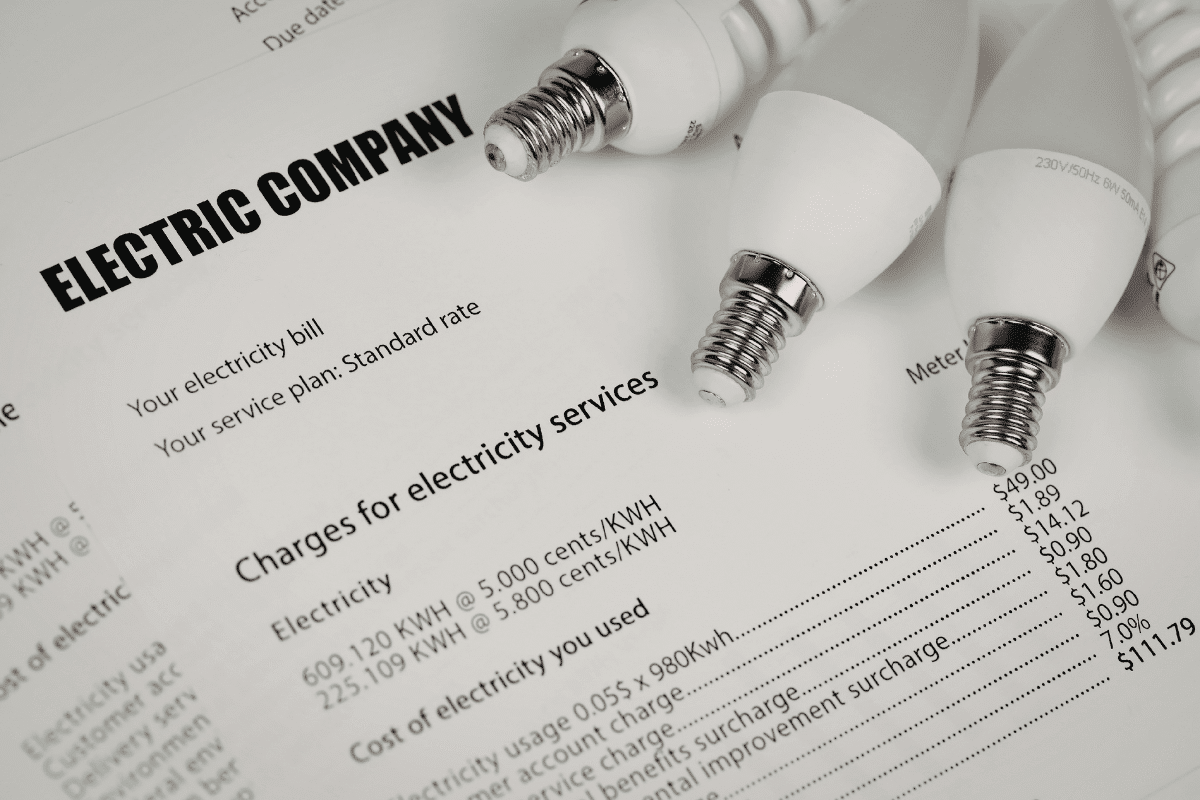
Energy bills can feel confusing—even frustrating. Numbers, charts, and unfamiliar terms make it hard to know where your money is actually going. But once you understand how to read your energy bills, you gain valuable insight into your home’s efficiency, usage habits, and opportunities to reduce costs.
This guide breaks it down in a clear, practical way so you can feel confident reviewing your monthly statements.
Why Understanding Your Energy Bill Matters
Your energy bill is more than just a total due. It’s a snapshot of how your home uses electricity, gas, or both.
When you understand it, you can:
-
Identify unusual usage patterns early
-
Catch billing errors or unexpected spikes
-
Make informed decisions about upgrades
-
Track the impact of efficiency improvements
For homeowners working with providers like Ammon plumbing or Rexburg heating and plumbing, energy literacy supports smarter home system planning.
The Main Sections of an Energy Bill
While formats vary by utility company, most energy bills include similar sections.
Account & Billing Period
This section shows the dates covered by the bill and how many days of usage are included. Shorter or longer billing cycles can affect totals.
Energy Usage
Usage is usually measured in kilowatt-hours (kWh) for electricity and therms for natural gas. Comparing usage month-to-month gives a clearer picture than focusing only on cost.
Rate Breakdown
Rates explain how much you pay per unit of energy. Seasonal rates or tiered pricing may cause costs to rise even if usage stays similar.
Fees & Taxes
Delivery charges, service fees, and local taxes are often listed separately from energy usage.
How to Spot Patterns & Red Flags
Seasonal Spikes
Higher usage during extreme weather months is normal. Sudden increases during mild seasons may indicate inefficiencies or equipment issues.
Base Load Usage
This is the energy your home uses even when systems like heating and cooling are off. High base load may point to always-on appliances or outdated equipment.
Year-Over-Year Comparison
Many bills include last year’s usage for the same period. This comparison is one of the most useful tools for spotting trends.
What Drives Energy Costs in Most Homes
Several systems typically account for the majority of household energy use:
-
Heating and cooling equipment
-
Water heaters
-
Major appliances
-
Lighting and electronics
Understanding which systems consume the most energy helps prioritize improvements.
How Reading Your Bill Supports Smarter Upgrades
When you track usage trends, it becomes easier to decide:
-
When maintenance may improve efficiency
-
Whether upgrades could reduce long-term costs
-
How behavior changes affect energy consumption
Homeowners working with Plumbers in Blackfoot Idaho often use energy bills to evaluate water heating efficiency and system performance.
Simple Tips to Use Your Energy Bill More Effectively
-
Review each bill monthly, not just the total
-
Compare usage—not just cost—across seasons
-
Note any sudden or unexplained changes
-
Keep records when making home upgrades
Small awareness shifts can lead to meaningful savings over time.
Final Thoughts: Knowledge Is Energy Savings
Understanding your energy bill puts you in control. Instead of guessing why costs rise, you can pinpoint causes, plan improvements, and make confident decisions about your home systems.
Energy literacy doesn’t require technical expertise—just a willingness to look beyond the total due and use the information already available to you.