
March 17, 2026
7 Signs Your Home Has Hard Water (And What Idaho Homeowners Can Do About It)
Hard water is a common issue in many parts of Eastern Idaho. While it’s safe to use, the excess minerals in hard water can affect your home’s plumbing, appliances, and daily comfort.
Many homeowners in areas like Rexburg, Blackfoot, and Driggs experience hard water without realizing what’s causing the problem. Over time, mineral buildup can reduce efficiency in plumbing systems and lead to higher maintenance costs.
If you’ve noticed changes in your water or appliances, it may be time to investigate whether hard water is the cause. Professionals specializing in Rexburg heating and plumbing, Blackfoot plumbing services, and Driggs plumbing often help homeowners diagnose and resolve these issues.
Below are some of the most common signs your home may have hard water.
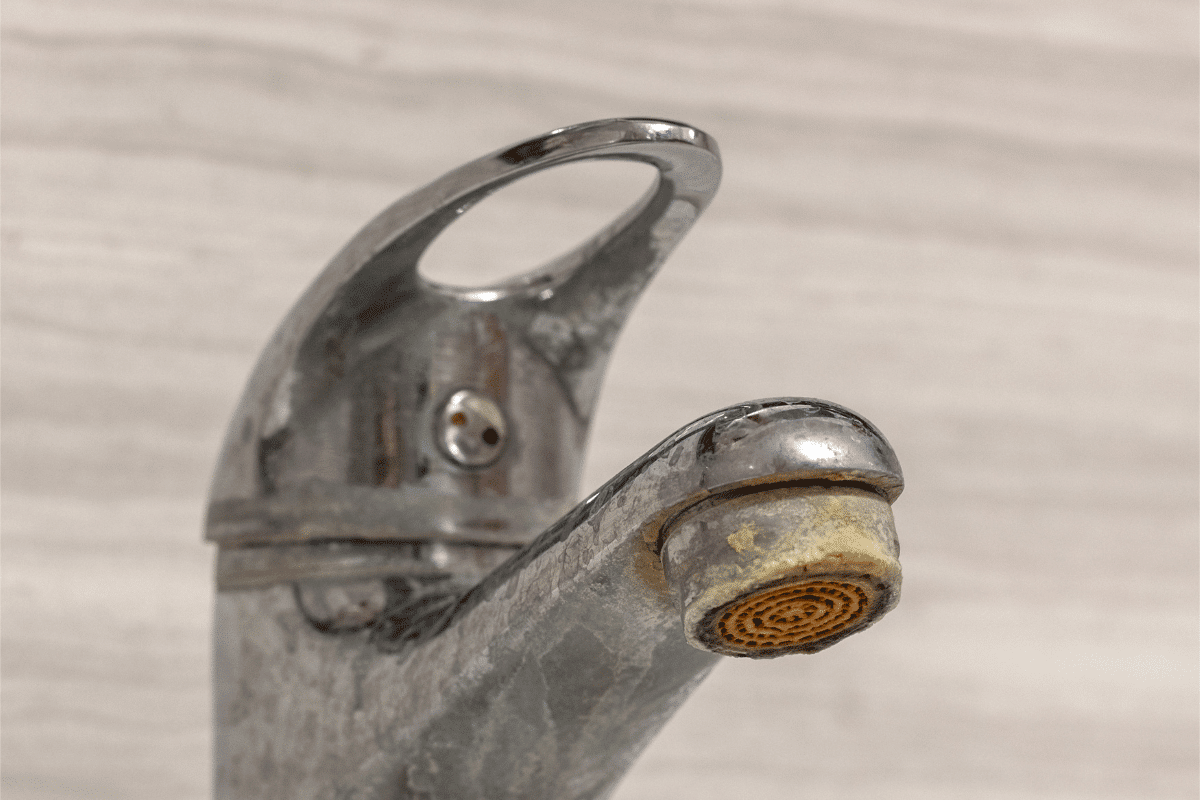
1. White Mineral Residue on Faucets and Fixtures
One of the most obvious signs of hard water is a white or chalky residue left behind on faucets, showerheads, and sinks.
This buildup occurs when minerals like calcium and magnesium remain after water evaporates.
You may notice residue on:
-
Kitchen faucets
-
Bathroom sinks
-
Showerheads
-
Glass shower doors
Over time, this buildup can affect water flow and reduce fixture performance. Homeowners seeking Rexburg heating and plumbing services often discover that water softening systems help reduce these mineral deposits.
2. Spots or Film on Dishes
If your dishes come out of the dishwasher looking cloudy or spotted, hard water could be the reason.
Minerals in the water prevent detergents from fully dissolving and rinsing away.
Common signs include:
-
White spots on glasses
-
Cloudy dishware
-
Film on silverware
Improving water quality with filtration or softening systems can help restore clear dishes and improve dishwasher performance.
3. Soap That Doesn’t Lather Well
Hard water minerals interfere with how soap reacts with water. This often results in soap that doesn’t lather properly.
You may notice:
-
Difficulty creating soap suds
-
Sticky feeling on skin after washing
-
Residue left behind on sinks or tubs
Many homeowners working with Driggs plumbing professionals report noticeable improvements once hard water is treated.
4. Dry Skin and Hair After Showering
Minerals in hard water can leave residue on the skin and hair, which may lead to dryness or irritation for some people.
You might notice:
-
Skin feeling dry after showering
-
Hair that feels dull or difficult to manage
-
Soap that seems difficult to rinse away
Water softening systems help remove excess minerals and often improve overall shower comfort.
5. Reduced Water Heater Efficiency
Hard water minerals can accumulate inside water heaters over time. This buildup forces the system to work harder to heat water.
Possible signs include:
-
Longer heating times
-
Increased energy bills
-
Unusual noises from the water heater tank
Homeowners seeking Blackfoot plumbing services often address hard water issues to help protect their water heaters and extend equipment lifespan.
6. Stiff or Dull Laundry
Hard water can affect how detergents clean clothing. Minerals may prevent soaps from dissolving properly, leaving residue in fabrics.
You may notice:
-
Clothes feeling stiff after washing
-
Colors appearing dull
-
Towels feeling rough instead of soft
Softened water helps detergents work more effectively and often results in cleaner, softer laundry.
7. Frequent Plumbing Maintenance
Mineral buildup can gradually affect pipes, fixtures, and appliances.
Over time, this buildup may contribute to:
-
Reduced water pressure
-
Appliance wear
-
Plumbing component issues
Homeowners who rely on Rexburg heating and plumbing services often address water quality concerns early to protect their plumbing systems.
What Causes Hard Water in Idaho?
Hard water is primarily caused by minerals that dissolve into groundwater as it moves through soil and rock formations.
Eastern Idaho’s geology naturally contains calcium and magnesium, which are the minerals responsible for hard water.
While hard water is not harmful to drink, it can affect plumbing systems and household appliances over time.
Professionals specializing in Driggs plumbing and water quality services often test water hardness levels to determine the best treatment solution.
How Water Softeners Help
A water softener removes excess minerals through a process called ion exchange.
During this process:
-
Hard water enters the system
-
Minerals are captured in a resin tank
-
Softened water flows into the home
The result is water that contains fewer minerals, which helps improve plumbing efficiency and household comfort.
Many homeowners working with Blackfoot plumbing professionals choose to install whole-home softening systems to address hard water concerns.
Benefits of Addressing Hard Water
Treating hard water can provide several benefits for your home and plumbing system.
Potential improvements include:
-
Reduced mineral buildup on fixtures
-
Improved appliance efficiency
-
Better soap performance
-
Softer laundry
-
Longer lifespan for plumbing equipment
Professionals offering Rexburg heating and plumbing services often recommend evaluating water quality as part of overall home maintenance.
Protecting Your Home’s Plumbing System
Understanding the signs of hard water is an important step toward protecting your home’s plumbing system.
If you’ve noticed mineral residue, cloudy dishes, or reduced appliance performance, your home may benefit from water testing or treatment solutions.
Homeowners across Eastern Idaho who rely on Rexburg heating and plumbing, Blackfoot plumbing services, and Driggs plumbing professionals often take proactive steps to improve water quality and protect their plumbing systems for the long term.
FAQs
Is hard water dangerous to drink?
Hard water is generally safe to drink, but the minerals it contains can affect plumbing systems and appliances over time.
How can I test if my home has hard water?
Water hardness can be tested using home test kits or through professional plumbing inspections.
Do water softeners require maintenance?
Yes. Water softeners typically require salt refills and occasional system maintenance to ensure proper performance.
Will a water softener improve water pressure?
While it does not directly increase pressure, reducing mineral buildup can help restore normal plumbing flow.
Can hard water damage appliances?
Mineral buildup from hard water can reduce efficiency and shorten the lifespan of appliances like water heaters and dishwashers.